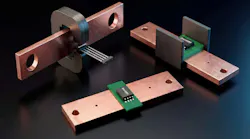
Is Power Electronics Outgrowing the Shunt Resistor? (Download)
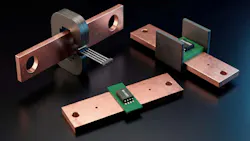
The shunt resistor has long been the cornerstone of current sensing. It's the first tool that electrical and electronics engineering students learn about, grounded in the elegant simplicity of Ohm's Law. For many applications, especially those below 100 V, the shunt resistor has been the default. It’s understood, and it works.
But the systems we design today aren’t the systems of a decade ago. The relentless drive for more power in smaller spaces, in everything from 48-V data center cooling fans and robotics to battery-powered tools and e-bikes, is pushing the classic playbook to its breaking point. And as switching frequencies climb into the megahertz range with the adoption of gallium nitride (GaN) and silicon carbide (SiC), engineers are finding that the “simple” shunt is forcing them into increasingly painful compromises.